Theme Nights are already a proven part of your strategy. They drive group sales, create new entry points for buyers, and give fans a reason to come back throughout the season. Many of the most successful Theme Nights also pair tickets with exclusive merchandise, commemorative items, or limited-edition giveaways that help increase perceived value and create stronger buyer urgency.
But the most successful organizations aren’t just running more Theme Nights. They’re building a balanced Theme Night calendar that reaches different audiences, taps into multiple passions, and creates opportunities across the entire season.
Using data from FEVO’s backend across leagues and organizations, we analyzed 75+ of the most popular and successful Theme Night concepts. What emerged wasn’t just a list of individual themes — it was a set of core Theme Night categories that consistently perform.
If you’re planning your next season, this guide can help you spot gaps, diversify your lineup, and uncover new audience opportunities you may not be reaching yet.
Why Categories Matter
It's easy to focus on individual themes that performed well in the past.
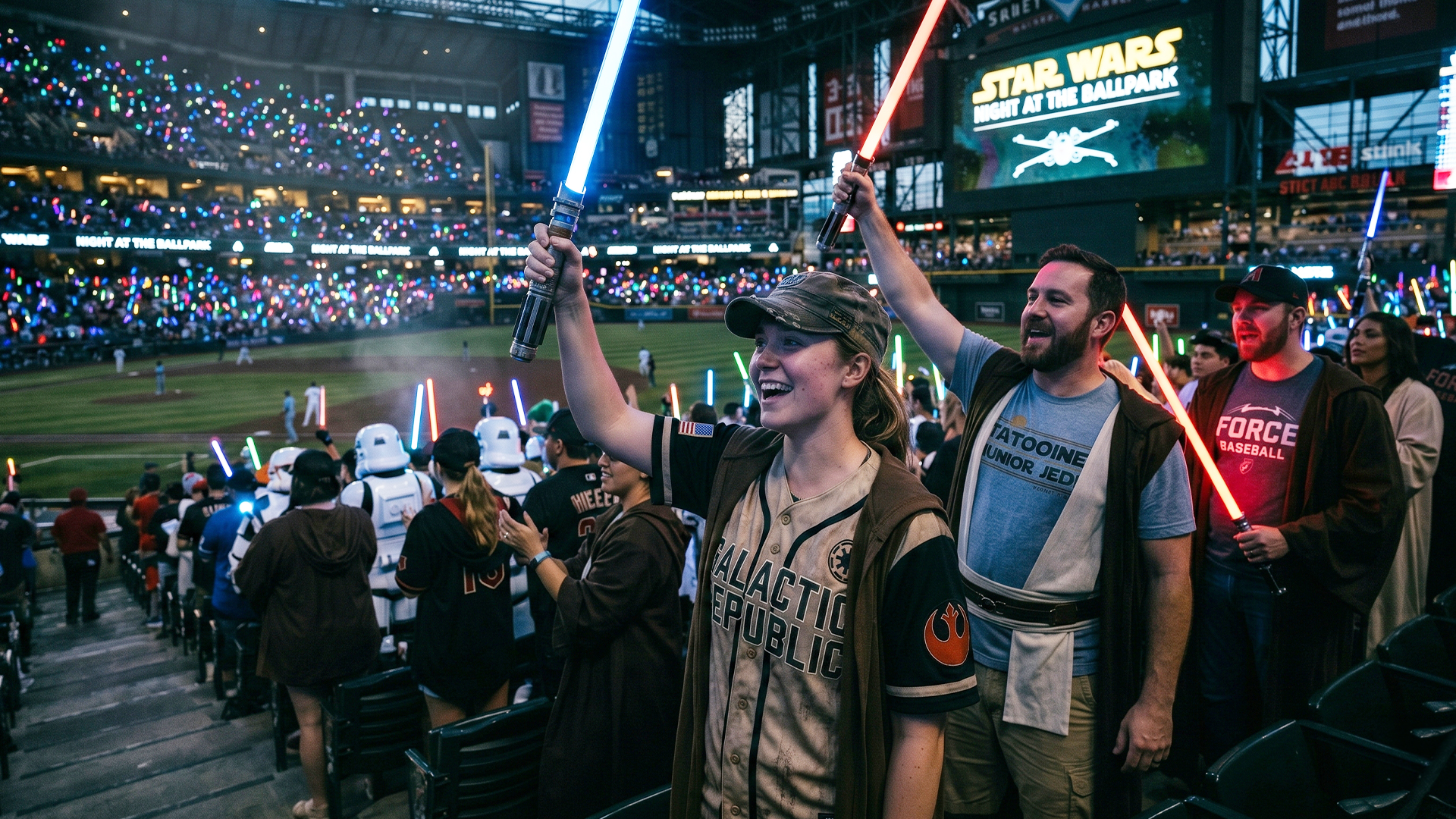
Maybe your Star Wars Night sold out. Maybe Bark at the Park drives consistent attendance every year. Maybe your Pride Night continues to grow.
But when you zoom out and look at your entire calendar, a different question becomes important:
Are you creating enough variety to engage multiple fan communities?
A strong Theme Night strategy should include a mix of:
- Community-driven events
- Heritage celebrations
- Cause-based initiatives
- Pop culture activations
- Music fandoms
- Family-focused IP experiences
- Promotional giveaway nights
The broader your category mix, the more opportunities you create to reach new buyers and expand beyond your traditional audience.
Community Theme Nights
Community-based themes remain some of the most consistent performers because they tap into built-in groups and shared identities.
These nights often create strong group sales opportunities while helping organizations build deeper local connections.
Popular examples include:
- Youth Sports Night
- Educators / Teachers Night
- Military Appreciation
- Student / College Night
- First Responders
- Nurses / Healthcare
- Scouts
- School Spirit Night
- Faith-based events
These themes work especially well when organizations partner directly with schools, local organizations, nonprofits, or community leaders to drive outreach.
Holiday & Pop Culture Promotions
Some Theme Nights succeed because they align with moments fans are already excited about.
Holiday events, giveaways, seasonal promotions, and nostalgia-based experiences continue to perform across leagues because they feel familiar, social, and highly shareable.
Top-performing examples include:
- Bark at the Park
- Opening Night
- Bobblehead Nights
- Jersey or Cap Giveaways
- Halloween / Trick or Treat
- Fireworks Nights
- 80's / 90's Throwback Nights
- Girls Night Out
- Drone Shows
- Beer, Wine, or Margarita Nights
These nights often create strong urgency and work particularly well when paired with exclusive merchandise or limited-time experiences.
IP-Licensed Theme Nights
Licensed intellectual property continues to be one of the fastest-growing Theme Night categories.
These events tap into fandoms that already have passionate, highly engaged audiences — often extending well beyond traditional sports fans.
Examples include:
- Star Wars
- Harry Potter
- Disney / Pixar
- Hello Kitty / Sanrio
- Marvel & DC
- ONE PIECE / Anime Nights
- Pokémon
- Bluey
- Barbie
- Sesame Street
- SpongeBob
- Video Game Nights
The biggest advantage of IP-based themes is that they create crossover appeal. Fans may initially buy because of the brand or character connection, but organizations gain the opportunity to introduce them to the live event experience.
Cause & Awareness Nights
Cause-driven Theme Nights create opportunities for organizations to connect with fans around meaningful initiatives and shared values.
These nights often build strong emotional engagement while also strengthening community partnerships.
Common examples include:
- Pride Night
- Autism Awareness
- Breast Cancer Awareness
- Mental Health Awareness
- General Cancer Awareness inititatives
These events tend to perform best when they feel authentic and are tied to real community involvement, fundraising efforts, or awareness campaigns.
Heritage Celebrations
Heritage Nights continue to expand as organizations look to better represent and celebrate the communities within their markets.
These events create highly targeted outreach opportunities and often introduce entirely new audiences to the venue.
Popular examples include:
- Hispanic / Latino Heritage
- Black Heritage / Juneteenth
- Filipino Heritage
- Japanese Heritage
- Korean Heritage
- Irish Heritage
- Mexican Heritage
- Indian / South Asian Heritage
- Puerto Rican Heritage
- Jewish Heritage
- Vietanamese Heritage
- Greek Heritage
- German Heritage / Oktoberfest
The most effective Heritage Nights typically go beyond simple branding by incorporating food, music, performances, community ambassadors, and localized partnerships to truly honor the community.
Music-Inspired Theme Nights
Music fandoms create natural community engagement and strong emotional connections.
Many organizations are seeing success by building Theme Nights around artists, genres, or fan cultures that already have passionate followings.
Examples include:
- Taylor Swift Night
- Country Music Night
- Grateful Dead / Jerry Garcia
- Phish
- Pearl Jam
- Margaritaville / Jimmy Buffett-inspired events
Music themes work particularly well because they naturally encourage social participation, themed outfits, group attendance, and user-generated content.
Top 10 Highest Revenue-Generating Theme Nights
While Theme Night strategies vary across organizations and leagues, several themes consistently stand out as top performers when it comes to revenue generation.
While we analyzed 75+ themes, these 10 consistently topped revenue charts across leagues:
- Family Weekend
- Holiday / Christmas / Enchant
- Wizard of Oz
- Fourth Wing
- Youth Sports Night
- Hello Kitty / Sanrio
- Educators / Teachers
- Military Appreciation
- Student / College Night
- ONE PIECE / Naruto / Anime
One of the biggest takeaways from this data is the diversity of audiences represented across the top-performing themes. Community-focused events, seasonal experiences, and major entertainment IP all appear near the top of the list, reinforcing the importance of building a well-rounded Theme Night calendar that appeals to multiple fan communities.
Building a More Balanced Theme Night Calendar
One of the biggest takeaways from FEVO’s Theme Night data is that the most successful organizations rarely rely on just one category.
Instead, they create a layered calendar that reaches different audiences throughout the season.
When reviewing your upcoming schedule, ask:
- Are we balancing community, culture, entertainment, and fandom?
- Which audiences are we consistently reaching?
- Which audiences are we missing?
- Are there categories we’ve underutilized?
- Which themes create repeatable annual traditions?
- Which themes help us reach entirely new buyers?
The strongest Theme Night calendars don’t happen accidentally. They’re intentionally built to create variety, broaden reach, and maximize engagement across multiple fan communities.
Theme Nights Are About Audience Expansion
At their core, Theme Nights are about more than attendance.
They're about creating relevance for different communities, interests, and fandoms.
Organizations seeing the most success use Theme Nights to expand their reach, engage different fan communities, and create stronger connections with buyers throughout the season.
And when your calendar reflects a wide range of interests and identities, you create more opportunities for fans to see themselves in your experience.
Need Help Planning Your Theme Night Strategy?
Whether you’re building your first Theme Night Offer of the season or expanding into new categories, FEVO’s team can help you think through strategy, timing, and execution.
Reach out to your Success Rep or contact the Onboarding, Training and Enablement (OTE) Team at training@fevo.com if you’d like guidance on:
- Structuring your Offer on FEVO
- Planning timelines and launch strategy
- Navigating IP licensing conversations
- Building promotional and group sales plans
- Or any other Theme Night questions
The best Theme Night strategies start early — and the more intentional your planning process is, the more opportunities you create to reach new buyers throughout the season.